Do you want your website to appear higher on Google, attract more potential customers, and build a stronger online presence? If yes, on-page SEO services can help you improve your website’s content, structure, and search engine visibility with a more effective optimization strategy.
When people search for products or services online, they usually click on results that seem relevant to their needs. If your website is not properly optimized, search engines may find it harder to understand your pages, and potential customers may struggle to find your business. This can mean missed opportunities, weaker visibility, and valuable visitors choosing a competitor instead.
On-page SEO helps solve this problem by improving different elements of your website, including page titles, headings, content, images, URLs, and internal links.
At BrandLiftSEO, we help businesses strengthen their websites through focused, practical SEO strategies designed to improve search visibility, create a better visitor experience, and support sustainable online growth.
In this guide, you will learn what on-page SEO is, why it matters, which services it includes, and how it can help your business grow online.
What Are On-Page SEO Services?
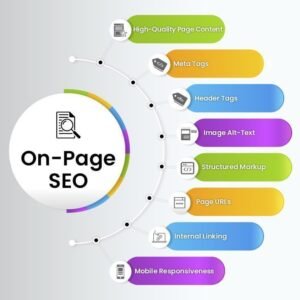
On-page SEO services involve optimizing the elements of individual web pages to help search engines understand their content and help visitors find the information they need.
These services focus on the parts of your website that you can improve directly.
For example, imagine you own a website development company. You want your service page to appear when someone searches for “website development services.”
On-page SEO can help by improving the page title, headings, service descriptions, internal links, and other relevant elements.
Common on-page SEO activities include:
- Keyword research and placement
- SEO title and meta description optimization
- Heading structure optimization
- Website content optimization
- URL optimization
- Internal linking
- Image SEO
- User experience improvements
- Search intent analysis
- Content readability improvements
The goal is to create useful, well-structured pages that clearly explain your services and meet the needs of your audience.
Why Are On-Page SEO Services Important?
Your website needs more than attractive design to perform well in search engines. Without clear content and a well-organized structure, even a visually impressive website can struggle to reach its full potential. Its content should help visitors and search engines quickly understand what each page offers.
Here are some important benefits of on-page SEO services.
1. Improve Search Engine Visibility
On-page SEO helps search engines understand the topic and purpose of your web pages.
When your content matches what people are searching for, your website may become more relevant for those searches.
However, rankings depend on many factors, including competition, website quality, and the overall search environment.
2. Attract Relevant Website Visitors
The goal of SEO is not simply to bring more visitors to your website. It is to attract relevant people who are genuinely interested in your products or services, rather than waste opportunities on traffic that is unlikely to convert.
Relevant keywords, useful content, and clear page titles can help connect your website with the right audience.
3. Improve User Experience
A well-optimized page makes information easy to find and creates a smoother, more satisfying experience for visitors.
Clear headings, short paragraphs, helpful images, and logical navigation allow visitors to understand your content without unnecessary effort.
4. Support More Business Enquiries
When visitors clearly understand your services and can easily contact you, your website has a stronger opportunity to turn relevant traffic into valuable enquiries. Confusing pages and hidden calls to action can cause interested prospects to leave without contacting you.
Clear service descriptions, useful information, and visible calls to action can support this process.
5. Help Search Engines Understand Your Content
Search engines use page content and other signals to understand what a page is about.
Organized headings, descriptive titles, relevant internal links, and informative content can make your pages easier to interpret.
What Is Included in Our On-Page SEO Services?
Effective on-page SEO involves several activities that work together. At BrandLiftSEO, these are the main areas to consider when optimizing a website.
1. Keyword Research and Optimization
Keyword research helps identify the words and phrases your potential customers use when searching online.
For example, a business offering SEO services might target relevant searches such as:
- On-page SEO services
- On-page SEO agency
- Website content optimization
- On-page SEO checklist
- SEO optimization services
The best keywords depend on your industry, audience, competition, and the purpose of each page.
After selecting relevant keywords, they should be included naturally in suitable places, such as page titles, headings, introductions, and body content.
Avoid repeating the same keyword unnecessarily. Content should sound natural and provide genuine value to readers.
2. SEO Title and Meta Description Optimization
Your SEO title helps describe a page’s topic to search engines and users. It may appear as the clickable title in search results.
A meta description summarizes the page and may appear as the descriptive text beneath the title.
For example:
SEO Title: On-Page SEO Services to Improve Google Rankings | BrandLiftSEO
Meta Description: Improve your website’s search visibility with on-page SEO services from BrandLiftSEO. Optimize content, headings, keywords, and internal links.
A compelling title and relevant description can help users quickly understand what your page offers and encourage the right audience to visit.
Google may generate a different title link or snippet depending on the search query and page content, so these elements do not guarantee a particular display.
3. Heading Structure Optimization
Headings organize your content and help readers understand each section.
A well-structured page generally uses one clear main heading followed by descriptive subheadings.
For example:
- H1: On-Page SEO Services for Better Website Visibility
- H2: What Are On-Page SEO Services?
- H2: Benefits of On-Page SEO
- H3: Keyword Research and Optimization
- H3: Title Tag and Meta Description Optimization
- H3: Internal Linking
Headings should describe the content that follows them. Include relevant keywords where they fit naturally.
4. Website Content Optimization
Content optimization improves the quality, relevance, clarity, and usefulness of your website content.
Your pages should answer the questions your audience is likely to ask.
Content optimization may include:
- Improving unclear sentences
- Adding useful information
- Removing unnecessary repetition
- Answering common customer questions
- Improving readability
- Adding relevant examples
- Updating outdated information
- Matching content to search intent
For example, a service page about SEO should explain what the service includes, who it helps, and how a business can get started.
Helpful, engaging content gives visitors a stronger reason to stay, learn, trust your expertise, and consider your services.
5. URL Optimization
A URL is the web address of a page.
A clear URL helps users understand what they may find on the page.
For example:
Recommended URL: brandliftseo.com/on-page-seo-services/
Less descriptive URL: brandliftseo.com/page?id=12345
Short, meaningful URLs are easier to read, remember, and share, creating a cleaner experience for visitors.
When changing an existing URL, plan the necessary redirects carefully to avoid broken links and unnecessary loss of existing search visibility.
6. Internal Linking Optimization
Internal links connect one page on your website to another page on the same website.
They help visitors discover related information and help search engines find and understand your website’s pages.
For example, your on-page SEO page could link to:
- SEO Services
- Technical SEO Services
- Local SEO Services
- Website Development Services
- Digital Marketing Services
- Contact Us
Use descriptive anchor text that tells readers what they can expect after clicking.
Avoid adding links simply to increase their number. Each link should be useful and relevant.
7. Image SEO Optimization
Images can make website content more attractive and easier to understand. However, they should also be presented in a way that supports accessibility and website performance.
Image SEO activities may include:
- Writing descriptive alt text
- Using meaningful image filenames
- Compressing images where appropriate
- Choosing suitable image dimensions
- Using modern image formats when supported
- Avoiding unnecessarily large image files
For example, an image showing a website audit could use the filename on-page-seo-website-audit.webp.
Its alt text should describe what is actually visible in the image.
Alt text should help users understand meaningful images rather than simply repeat keywords.
8. Search Intent Optimization
Search intent means understanding what a person wants when they search for something online.
For example, someone searching for “what is on-page SEO” probably wants an explanation, while someone searching for “on-page SEO services” may be comparing agencies.
Your content should match the purpose behind the search.
To improve search intent alignment:
- Understand the questions your audience asks
- Review the types of pages appearing for relevant searches
- Provide the information users expect
- Explain your services clearly
- Include relevant next steps for interested visitors
Matching search intent helps make your content more useful and relevant.
9. Content Readability Optimization
People should be able to understand your website content without struggling through long, complicated sentences. Confusing copy can frustrate visitors, weaken trust, and make them leave before discovering the value you offer.
Readability improvements may include:
- Using simple language
- Keeping paragraphs focused
- Adding descriptive subheadings
- Using bullet points for lists
- Explaining technical terms
- Providing examples where useful
For a business website, clear content is important because visitors should quickly understand your products, services, and value.
10. Conversion-Focused Page Optimization
SEO can bring valuable visitors to your website, but those visitors also need a clear, compelling way to take the next step. Without obvious calls to action, you may lose promising enquiries even after earning their attention.
Conversion-focused optimization looks for ways to make important actions easier.
This may include:
- Clear service descriptions
- Visible contact buttons
- Simple enquiry forms
- Useful trust information
- Clear pricing information where appropriate
- Relevant calls to action
- Mobile-friendly layouts
For example, a service page could include a “Get a Free Consultation” button that directs visitors to the contact page.
Only advertise free consultations or other offers if your business actually provides them.
On-Page SEO vs. Off-Page SEO: What Is the Difference?
On-page SEO and off-page SEO support website visibility in different ways.
| On-Page SEO | Off-Page SEO |
| Focuses on elements within your website | Focuses on signals and activities outside your website |
| Improves page content and structure | Helps build website reputation and authority |
| Includes titles, headings, content, and internal links | Includes earning relevant backlinks and building brand visibility |
| Helps search engines understand individual pages | Helps search engines assess signals associated with your website’s reputation |
| Includes image optimization and content improvements | Includes legitimate outreach and digital PR activities |
Both can be important parts of an SEO strategy. The right balance depends on your website’s current condition and goals.
On-Page SEO vs. Technical SEO
On-page SEO and technical SEO often overlap, but they focus on different aspects of website optimization.
On-page SEO mainly focuses on page content and how it is organised for users and search engines.
Technical SEO focuses more on how a website can be crawled, rendered, indexed, and accessed.
| On-Page SEO | Technical SEO |
| Keyword and content optimisation | Crawlability and indexability |
| Title tags and headings | XML sitemaps and robots directives |
| Internal linking | Canonicalization |
| Image alt text | Website performance and rendering |
| Search intent alignment | Structured data implementation and technical validation |
A strong SEO strategy considers content quality and technical website health together.
Who Needs On-Page SEO Services?
On-page SEO can benefit many types of businesses that want to improve their online presence.
Small Businesses
Local shops, service providers, and small companies can optimize their website pages to help potential customers find relevant information.
Startups
Startups can build a strong website foundation by organizing their pages around their products, services, and target audience.
E-commerce Businesses
Online stores can improve product descriptions, category pages, internal links, and image information to support product discovery.
Service-Based Businesses
Agencies, consultants, educational institutes, and other service providers can optimize their service pages to attract relevant visitors.
Established Companies
Larger businesses can improve existing content, organize large websites, and identify opportunities to make important pages more useful.
The exact benefits depend on the website, industry, competition, and implementation quality.
How Does BrandLiftSEO Approach On-Page SEO?
At BrandLiftSEO, our approach to on-page SEO is based on understanding the website, identifying opportunities, and prioritizing improvements.
A typical optimization process can include the following steps.
Step 1: Website and Page Review
Review the website’s existing content, titles, headings, internal links, and page structure to identify areas that may need improvement.
Step 2: Keyword and Search Intent Research
Identify relevant keywords and understand what users expect to find when searching for them.
Step 3: Content and On-Page Optimization
Improve relevant page elements, including titles, headings, content, images, and internal links.
Step 4: User Experience Review
Check whether visitors can understand the content, navigate the page, and find the information they need.
Step 5: Performance Monitoring
Use available tools, such as Google Search Console and website analytics, to monitor impressions, clicks, relevant search queries, and conversions where tracking is available.
Step 6: Continuous Improvement
Review performance and update the strategy when new opportunities or problems are identified.
The exact scope depends on the website and the services agreed upon.
How Long Does On-Page SEO Take to Show Results?
On-page SEO can create a stronger foundation for search performance, but it does not guarantee instant improvements in Google rankings. Expecting overnight success can lead to disappointment; consistent optimization and realistic monitoring are essential.
The timeline depends on several factors, including:
- Your website’s current condition
- The competitiveness of your target keywords
- The quality of your content
- How frequently search engines crawl your pages
- Your website’s technical health
- The changes made by competitors
- Search engine algorithm changes
Some improvements may help search engines understand your pages more clearly, but measurable changes in impressions, clicks, and rankings can take time.
Monitor performance over weeks and months rather than judging the entire strategy by a few days of data.
Why Choose BrandLiftSEO for On-Page SEO Services?
Your website should make it easy for people to understand what you offer and why your services may be the right solution for them. A confusing or poorly optimized website can hold back your digital growth and send potential customers elsewhere.
BrandLiftSEO focuses on SEO and digital marketing services that can help businesses strengthen their online presence.
Our broader service areas include:
- Website Development
- Search Engine Optimisation
- Social Media Marketing
- Graphic Design and Branding
- Video Production and Content Creation
- Google Ads and Meta Ads
- Content Marketing
- Analytics, Reporting, and Conversion Rate Optimisation
By connecting website improvements with relevant digital marketing activities, businesses can work towards a more consistent online presence.
If you want to improve your website’s content, structure, and search visibility, contact BrandLiftSEO to discuss your requirements.
Get Started with On-Page SEO Services Today
Your website can become a powerful source of information and new business enquiries. Optimizing its content and structure can help visitors find what they need, strengthen your search presence, and give search engines clearer signals about your pages.
From keyword research and content optimization to internal linking and image SEO, on-page SEO involves several improvements that work together.
Ready to improve your website?
Contact BrandLiftSEO to discuss your website and explore suitable on-page SEO improvements.
Visit our contact page: https://brandliftseo.com/contact/
Frequently Asked Questions About On-Page SEO Services
1. What Are On-Page SEO Services?
On-page SEO services involve improving website page elements such as titles, headings, content, images, URLs, and internal links to help search engines understand pages and provide a better user experience.
2. Why Are On-Page SEO Services Important?
They help make website content clearer, improve page organization, support search visibility, and make it easier for visitors to find useful information.
3. What Is Included in On-Page SEO?
On-page SEO can include keyword research, title tag optimization, meta descriptions, heading structure, content optimization, internal linking, image SEO, and search intent analysis.
4. How Much Do On-Page SEO Services Cost?
The cost depends on the number of pages, website size, content requirements, competition, and the amount of optimization needed. Request a customized quote based on your website.
5. How Long Does On-Page SEO Take to Work?
The timeline varies by website and competition. Some changes may be processed relatively quickly, while measurable ranking and traffic improvements can take weeks or months. Results are not guaranteed.
6. What Is the Difference Between On-Page SEO and Off-Page SEO?
On-page SEO focuses on improving elements within your website, such as content and internal links. Off-page SEO focuses on external signals, including relevant backlinks and brand reputation.
7. Can On-Page SEO Improve Google Rankings?
On-page SEO can help search engines understand your pages and their relevance to specific searches. However, rankings depend on multiple factors, so no particular position can be guaranteed.
8. Is On-Page SEO Important for Small Businesses?
Yes. It can help small businesses create useful website pages, explain their services clearly, and improve their chances of appearing for relevant searches.
9. What Tools Are Used for On-Page SEO?
Common tools include Google Search Console, Google Analytics, keyword research tools, website crawlers, and page performance tools. The tools used depend on the website and the work required.
10. How Can I Get On-Page SEO Services from BrandLiftSEO?
Visit the BrandLiftSEO contact page to discuss your website, target keywords, and optimisation requirements.